
A project lead comparing three office design fees is not choosing between cheap, fair, and expensive until the scope behind each number is visible. One proposal may include only concept layouts, another may include tender drawings and site visits, and a third may assume the client will handle furniture orders, landlord comments, and contractor questions.
What should a commercial interior design services brief include before fee proposals?
A commercial interior design services brief should define the premises, business use, headcount, budget authority, lease constraints, decision-makers, approval route, programme, and expected deliverables before any designer prices the work.
The commercial interiors brief should state the business problem before the design style
The brief should explain what the workplace must do before it describes how it should look. A small office may need focus rooms, a clinic may need cleanable waiting areas and privacy, while a retail or hospitality space may depend on customer flow, storage, acoustics, and service access.
- Premises: leased unit, owner-occupied building, shared workplace, or multi-floor fit-out.
- Operational use: staff count, visitors, meeting rooms, storage, equipment, privacy, and growth allowance.
- Stakeholders: owner, facilities lead, HR, IT, finance, landlord, brand team, and end users.
- Fixed decisions: budget limit, suppliers, contractors, brand standards, lease dates, and landlord rules.
The commercial interiors brief should name the decisions that are already fixed
Fixed constraints change the fee because they narrow what the designer must investigate. Material expectations should be stated through durability, cleaning, lead time, and maintenance, not only mood, which makes material selection as a practical design decision part of the procurement brief. In the United States, the 2010 ADA Standards apply to alterations and new construction of commercial facilities and places of public accommodation, so accessibility responsibility should not be vague.
Which commercial interior design service stages should be priced separately?
Commercial interior design service stages should be priced as briefing, concept design, developed design, technical documentation, tender support, site coordination, and handover, so each proposal carries the same drawing depth, meeting load, approval duty, and site responsibility.
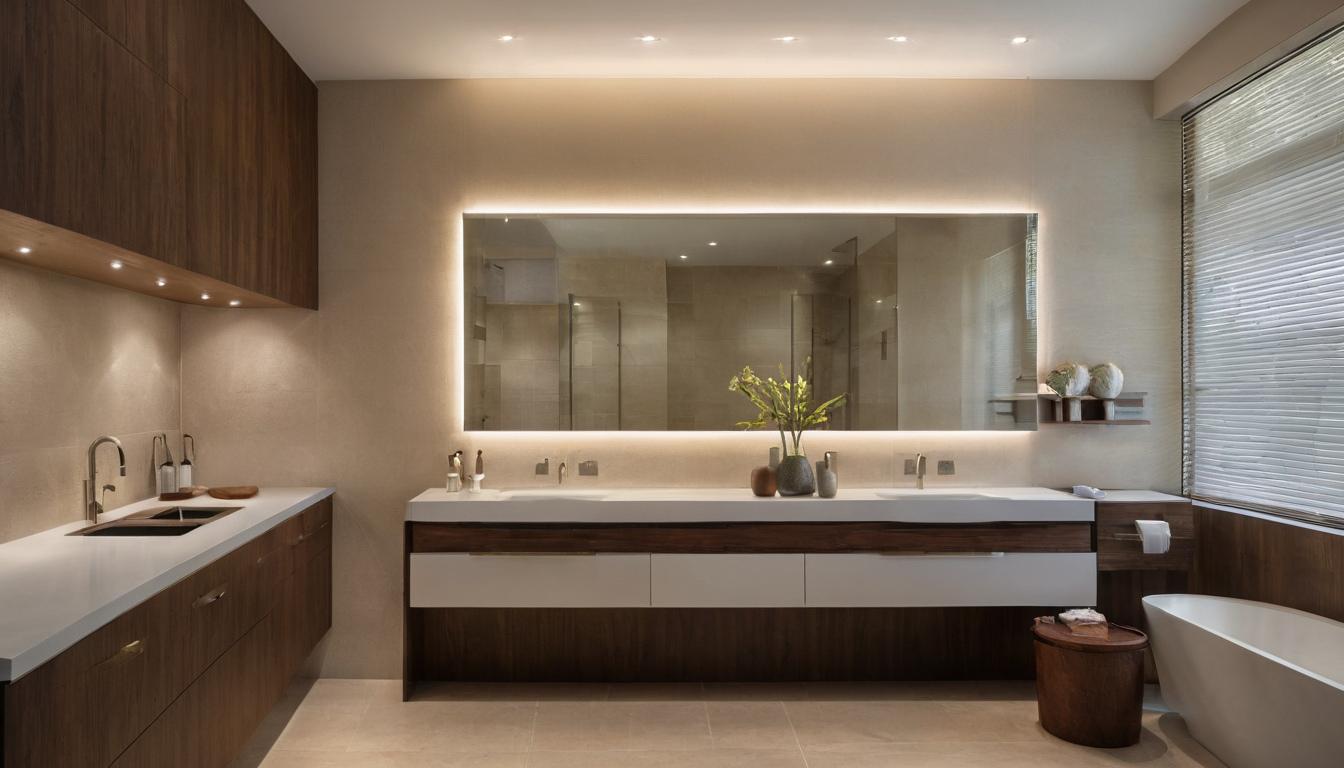
Which commercial interior design service stages should be priced separately shown as a planning reference for layout, scale, and material decisions.
Concept design should be priced differently from technical documentation
Concept design tests direction; technical documentation tells other parties what to build, buy, price, and install. A concept package may include mood boards, test-fit layouts, precedent images, initial furniture direction, lighting intent, and a finish palette. Technical documentation moves into coordinated plans, elevations, reflected ceiling information, joinery details, schedules, specification notes, and issue tracking.
- Briefing: interviews, site review, existing information check, requirements, and approval route.
- Concept: layout options, visual direction, budget alignment, and stakeholder sign-off.
- Developed design: selected layout, materials, furniture strategy, and consultant coordination.
- Technical documentation: buildable drawings, schedules, specification notes, and tender information.
Material decisions belong in the right stage because indoor products can affect comfort and maintenance. The U.S. Environmental Protection Agency identifies paints, varnishes, waxes, cleaning products, building materials, and furnishings as common indoor sources of volatile organic compounds.
Tender support and contract administration should not be assumed
Tender support covers contractor questions, pricing clarifications, sample comments, substitution reviews, and tender comparison notes. Contract administration may include site instructions, change reviews, payment recommendations, and meeting records, depending on the appointment and local contract form.
Handover services should state what the designer will verify
Handover should name the checks the designer will perform: snagging or punch-list walks, furniture installation review, finish sample comparison, as-built drawing comments, operation information review, and closeout meetings. Designer observation is not contractor quality control or formal building inspection.
What drawings and schedules make interior design services proposals comparable?
Interior design services proposals become comparable when each fee states the drawings, schedules, specifications, and revision limits included. For a commercial interior, the core package usually covers space planning, furniture planning, reflected ceiling coordination, finish schedules, joinery details, lighting notes, and tender or contractor pricing information.
A commercial interiors deliverables checklist should identify every drawing type
A useful proposal should name the drawing set, not hide it behind “design documentation.” For an office fit-out, ask whether the fee includes:
- Existing conditions review and measured survey coordination
- Test fits and general arrangement plans
- Demolition intent, partition plans, and door coordination notes
- Furniture plans, workstation layouts, and circulation clearances
- Reflected ceiling plans with lighting and ceiling feature coordination
- Floor finish plans, wall elevations, joinery details, and finish schedules
The proposal should mark permit drawings, MEP design, structural details, shop drawings, and final installation drawings as included, excluded, or consultant-dependent.
A specification schedule should define products, performance, and substitutions
A finish schedule should record area, substrate, product, color, size, installation method, performance rating, supplier, lead time, maintenance limits, and substitution rules. This matters for reception flooring, meeting room wall finishes, and finish durability near windows, where exposure and cleaning can change the correct specification.
A furniture schedule should list item code, dimensions, quantity, fabric, finish, power or data needs, warranty, supplier, delivery lead time, and installation responsibility. For applicable lighting selections, ENERGY STAR states that qualified LED lighting uses at least 75 percent less energy and lasts up to 25 times longer than incandescent lighting.
What fee drivers change commercial interior design services beyond square footage?
Commercial interior design services are affected by more than area. Fees also change with documentation depth, programme pressure, procurement method, revision rounds, stakeholder approvals, site visits, consultant coordination, furniture procurement, and landlord submission requirements.
A fee comparison table should separate area, complexity, and responsibility
Commercial design proposals may be structured as a fixed fee, hourly fee, percentage of project cost, per-square-foot rate, retainer, or hybrid arrangement. The pricing method matters less than the work included.
| Proposal item | Low-scope warning | Stronger-scope evidence |
|---|---|---|
| Drawing set | Only mood boards or a layout sketch | Named plans, elevations, schedules, and tender issue dates |
| Meetings and approvals | “As required” with no limit | Included workshops, review dates, and decision owners |
| Revisions | No round count or change boundary | Included revision rounds and hourly rate for later changes |
| Site visits | Site attendance excluded or undefined | Number, timing, and purpose of visits stated |
Revision rounds and stakeholder meetings should be counted before appointment
Stakeholder review is a real fee driver because commercial interiors often pass through owners, directors, finance, facilities, staff representatives, landlords, and building managers. Proposal wording should state something like two concept revision rounds and one developed design revision round, with extra changes priced by hourly rate or written variation.
Which exclusions should a commercial interior design proposal state clearly?
A commercial interior design proposal should state exclusions for engineering, code compliance submissions, permits, landlord approvals, IT, security, signage, branding, procurement purchasing, contractor supervision, and specialist surveys unless those services are expressly included.
MEP, fire, accessibility, and permits should be assigned to named consultants
Office layout changes can affect HVAC zones, electrical loads, lighting controls, sprinkler heads, fire alarms, exit routes, doors, washrooms, and accessible circulation. An interior designer may coordinate these items, but the proposal should not imply engineered calculations, permit drawings, or statutory compliance submissions unless the designer is licensed and contracted for that role.
- MEP engineer: mechanical, electrical, plumbing, ventilation, lighting loads, and base-building coordination.
- Fire or life-safety consultant: alarms, sprinklers, escape routes, compartmentation, and authority queries.
- Architect of record or access consultant: code review, accessibility strategy, permit sets, and local approvals.
- Structural engineer: slab openings, heavy partitions, suspended features, stair changes, and unusual equipment loads.
IT, AV, security, signage, and branding should have separate owners
Technology and brand work often touches the ceiling plan, furniture plan, reception desk, meeting rooms, and wall finishes, but those drawings do not make the interior designer responsible for networks or brand implementation. Name the IT or security consultant, AV designer, signage vendor, wayfinding consultant, or brand team that owns the technical content.
Procurement, purchasing, warehousing, and installation should not be assumed
Specifying furniture and finishes is different from buying them. A proposal should say who places orders, pays deposits, tracks lead times, approves substitutions, receives freight, stores goods, checks damage, books delivery slots, and supervises installation.
How should a business compare interior designers near me with an interior decorator near me?
A business comparing interior designers near me with an interior decorator near me should match the provider to the commercial risk level. Decoration may suit furniture, color, art, and styling updates, while a workplace fit-out with partitions, ceilings, lighting, code issues, landlord review, and contractors usually needs commercial interior design services.
The provider’s portfolio should match the building type and approval path
A decorator may be the right appointment for a reception refresh, loose furniture selection, window treatments, or a paint palette where no building work changes. A commercial interior designer is usually a better fit when the project needs test fits, furniture planning, finish schedules, contractor information, and coordination with consultants or a landlord’s technical reviewer.
Portfolio evidence should show comparable premises, not just attractive rooms. Ask for examples by sector, approximate project size, procurement route, approval path, and deadline pressure.
Insurance, professional status, and coordination experience should be checked before price
Commercial clients should check professional liability, general liability, contract terms, and the provider’s role before comparing fees. Local licensing and permit rules vary, so the proposal should state who prepares permit information and who signs or submits regulated drawings where required.
What office interior design design brief should be sent to shortlisted teams?
An office interior design design brief should give each shortlisted team the same facts, drawings, constraints, questions, and pricing template. Standard information reduces assumptions, exposes exclusions, and lets a business compare scope, deliverables, programme, and risk before comparing fees.
The proposal request should ask for a responsibility matrix
The responsibility matrix should name who owns each decision, not just who attends meetings. Include the client, interior designer, architect if appointed, MEP engineer, contractor, landlord, furniture dealer, IT consultant, signage vendor, and branding team.
- Base drawings, measured survey checks, and existing-condition risks
- Concept options, furniture planning, specifications, and tender issue drawings
- Landlord approvals, permit coordination, consultant coordination, and contractor questions
- Furniture purchasing, substitutions, delivery, installation checks, snagging, and handover records
The proposal request should ask for assumptions, exclusions, and optional services
The RFP package should attach the lease plan, measured survey, landlord fit-out guide, site photos, brand guide, workplace standards, approved budget range, and programme milestones. The same package should ask each team to price the same deliverables and answer the same scope questions.
- What revision rounds, workshops, and site visits are included?
- What services are excluded from the base fee?
- What assumptions have been made about approvals, consultants, procurement, and contractor appointment?
- What optional fees apply for extra test fits, renderings, purchasing, additional site visits, or post-occupancy review?
FAQ
How much does a commercial interior designer charge for an office project?
Fees vary by area, complexity, documentation depth, procurement route, meetings, revisions, consultant coordination, site visits, and handover duties. Ask each team to price the same stage list before comparing totals.
What is the difference between commercial interior design services and interior decorating services?
Commercial interior design services usually include planning, specifications, drawings, coordination, and fit-out information. Decorating services usually focus on finishes, furniture, color, art, styling, and non-structural visual improvement.
Should I search for interior designers near me or hire a remote commercial interiors team?
Local knowledge helps when the project needs site visits, landlord coordination, contractor meetings, and approval support. A remote team can work if survey information, local consultants, and site responsibilities are clearly assigned.
What should be excluded from an office interior design fee proposal?
Common exclusions include MEP engineering, structural engineering, permits, landlord submissions, IT, AV, security, signage, purchasing, warehousing, installation supervision, and contractor quality control unless the proposal expressly includes them.
Do rules like the 70/30 rule, 80/20 rule, or 3-5-7 rule matter when scoping commercial interior design services?
Those decorating rules may help with visual balance, but they do not define procurement scope. For fee proposals, drawings, schedules, approvals, exclusions, revisions, site duties, and handover checks matter more.